
Redefining inflight catering: Technology, culture, and sustainability at SASCO
(NLDO) - For SASCO, the true art of inflight catering lies in making highly complex logistics feel like a simple, delightful moment for passengers
Inflight catering carries a built-in contradiction: It is one of the most operationally demanding parts of airline service, yet for passengers, it appears as a brief, delightful moment. A meal can reinforce brand identity, reflect cultural roots and shape how service quality is remembered.
For Vietnam-based inflight catering provider SASCO Flight Service Center, managing that balance between precision and meaning has become an important opportunity in modern inflight catering. SASCO operates on this foundation that meals are more than just an onboard offering.
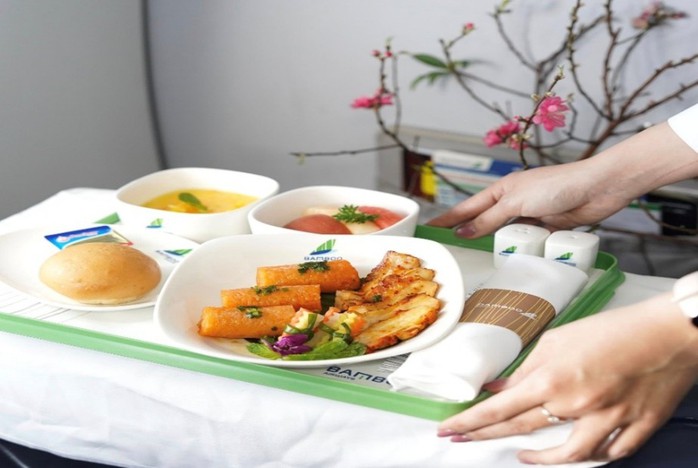
Behind what passengers see is a tightly controlled operation built around safety, timing and consistency.
"Signature dishes reflecting cultural or target-market preferences integrate brand identity," says a SASCO representative. In practice, this means building menus around foods passengers immediately recognize. Dishes such as mezze for Middle Eastern carriers, miso soup for Japanese airlines and pho for Vietnamese carriers anchor the inflight experience in familiarity and cultural identity, a SASCO representative explains.
But brand expression does not stop at the menu itself. A SASCO representative notes that airlines increasingly rely on "customized tray layouts, packaging and labeling aligned with the airline’s branding" to carry that identity through the entire service.
Premium carriers often invest in custom tableware and presentation details so that what passengers see and touch is consistent with the brand. From color-accented china to lacquer-style bento boxes, the meal tray becomes part of the cabin environment, not just a way to deliver food.
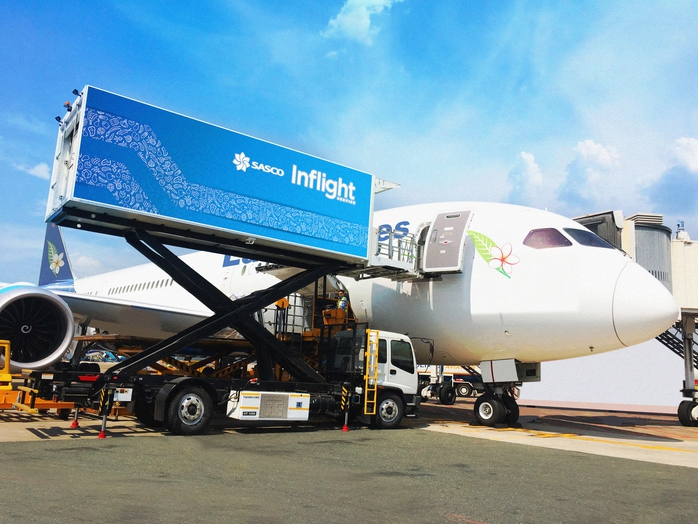
Looking ahead, SASCO expects inflight catering to become even more data-driven and automated
Behind what passengers see is a tightly controlled operation built around safety, timing and consistency. As a HACCP-, ISO-, and Halal-certified inflight catering provider, SASCO knows that food quality depends on disciplined processes.
Sustainability adds another layer of responsibility. SASCO’s initiatives focus on "reducing plastic waste through environmentally friendly packaging, optimizing energy consumption in our kitchens and increasing the use of local ingredients to minimize transportation-related emissions," according to a SASCO representative. These efforts affect daily decisions, from packaging selection to sourcing and kitchen operations, and are implemented without disrupting food safety or delivery timelines.
Technology plays a key role in making these priorities work together. SASCO uses AI "to forecast meals based on seasonal schedules and historical data," says a SASCO representative, to better align production with actual demand. This is paired with the use of QR codes for meal traceability to improve operational efficiency across preparation, handling and delivery. These tools help reduce waste while supporting reliable service performance.
For SASCO, these investments keep pace with changing passenger expectations. According to a SASCO representative, "Menu personalization, healthier options, premiumization of Business/First Class and a strong sustainability focus" are main trends shaping inflight catering today. Passengers increasingly look for low-fat, low-sugar and plant-based options, while premium cabins place more value on seasonal menus and refined presentation. Sustainability remains top of mind across packaging, sourcing and menu planning, not just behind the scenes.
Looking ahead, SASCO expects inflight catering to become even more data-driven and automated. A SASCO representative anticipates "deeper personalization enabled by passenger data and pre-order meal systems," along with "green standardization to reduce plastics, minimize cabin waste and adopt biodegradable packaging." At the same time, "smart kitchen systems, automated packaging lines and real-time meal tracking" are expected to reshape how catering operations are managed at scale.
SASCO knows that the true work of inflight catering happens long before a tray reaches the cabin. It happens in efficient kitchens; systems built for traceability and in decisions that balance brand expression with strict operational demands. The passenger sees a finished product, but behind it is discipline that makes that inflight moment feel special. That is where SASCO sees the value of inflight catering: In the work passengers never see but always feel.